
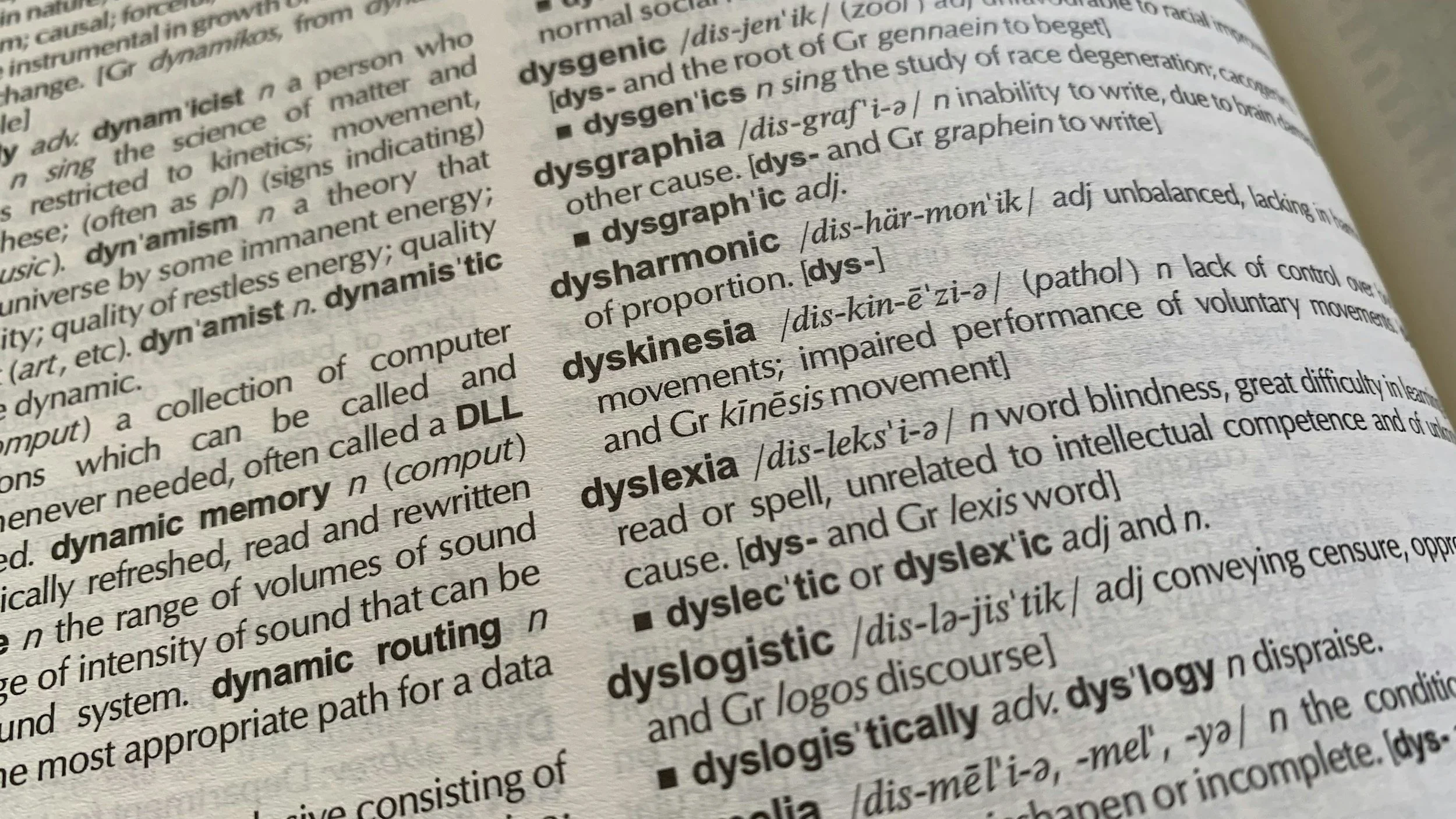
What Really is Dyslexia?
Although many people think they know what dyslexia is, there are still many misconceptions. The truth is, dyslexia looks different in different people.
Despite being the most common specific learning difficulty, around 80% of children leave school without a diagnosis - never fully understanding why traditional learning has felt so hard for them.
Dyslexic strengths
Most description of dyslexia start by listing everything dyslexics find difficult. And yes, those challenges are real and deserve to be understood.
But here, we start somewhere different - with strengths.
Research is increasingly showing that many dyslexic individuals naturally develop strengths in areas such as creative thinking, problem-solving, visual reasoning, and big-picture thinking. These are the kinds of skills that help people innovate, build ideas, and see possibilities others might miss.
This doesn’t mean dyslexia doesn’t come with challenges, particularly around reading, spelling, and written language. But when we only focus on what’s hard, we miss half the story.
A balanced understanding of dyslexia means recognising both the areas that need support and the strengths that can help children thrive.
What causes dyslexia?
Dyslexia is linked to differences in how the brain develops and processes language. It’s not caused by poor teaching, parenting, or a lack of effort.
In many cases, dyslexia also runs in families, which suggests there is a genetic component too.
Dyslexia and intelligence
People with dyslexia have a full range of intellectual ability, just like everyone else. Many are highly intelligent, creative, and capable thinkers. The difficulty lies not in intelligence, but in the way the brain processes language, particularly when it comes to reading, spelling, and written language.
In fact, many dyslexic individuals show strengths in areas such as problem-solving, big-picture thinking, creativity, and visual-spatial reasoning.
The challenge is that traditional education often places a heavy emphasis on reading and writing, which can make it harder for dyslexic learners to show what they truly know.
The 3 Ps
You’ll often hear dyslexia explained through something specialists sometimes call the “Three P’s.” These are three areas of processing that can make reading and writing harder for dyslexic learners.
Phonological awareness
This is the ability to hear, recognise, and play with the sounds in words. For example, noticing that cat and cap start with the same sound, or being able to break a word like sunset into sun and set. Many dyslexic children find this tricky, which can affect reading, spelling, and learning phonics.
Processing speed
Processing speed is about how quickly the brain can take in information, make sense of it, and respond. Dyslexic learners often understand the material, but they may need more time to process it, particularly when reading, writing, or copying information.
Phonological memory
Phonological memory helps us hold and use information in the moment at a rapid rate. For example, remembering a sentence long enough to write it down, or holding sounds in your mind while blending them into a word.
These differences don’t mean a child isn’t capable or intelligent. They simply mean the brain is processing language differently, which is why the right teaching approaches and support can make such a big difference.
Is dyslexia lifelong?
Dyslexia is considered a lifelong difference in the way the brain processes language. However, this does not mean that children cannot make strong progress.
With the right support, evidence-based teaching, and understanding, dyslexic learners can develop effective strategies and build confidence in their learning.
Early identification and appropriate support are important because they help to mitigate the risks sometimes associated with unidentified dyslexia, such as frustration, low self-esteem, school avoidance, or disengagement from learning.
When dyslexia is understood and supported, many individuals go on to become confident, capable, and successful learners and adults.
Do I have dyslexia?
If some of the information above resonates with you, your child, or someone you support, you may find it helpful to complete our free online checklist. It’s a simple first step that can help identify whether dyslexia might be worth exploring further.
From there, we can guide you through the next steps - whether that’s a full diagnostic assessment or ongoing support through specialist tuition.